
Self-Myofascial Release: A Simple Way to Move Better Every Day

You know that feeling.
It's 4:30 PM, you've been hunched over a laptop for hours, and when you finally stand up, your shoulders feel glued to your ears. Or maybe it's the morning after a weekend hike, a long run, or your first gym session in months, and your legs greet the floor with a level of stiffness that makes every step feel harder than it should.
That heavy, locked-up sensation isn't necessarily a sign that you're injured or out of shape. More often, it's your body's way of telling you that certain muscles and tissues have been working hard, staying in the same position for too long, or holding onto tension they haven't fully released yet.
The good news? You don't need an expensive massage appointment or an elaborate recovery routine to start feeling better.
Sometimes all it takes is a few minutes of focused attention.
That's where self-myofascial release (SMR) comes in.
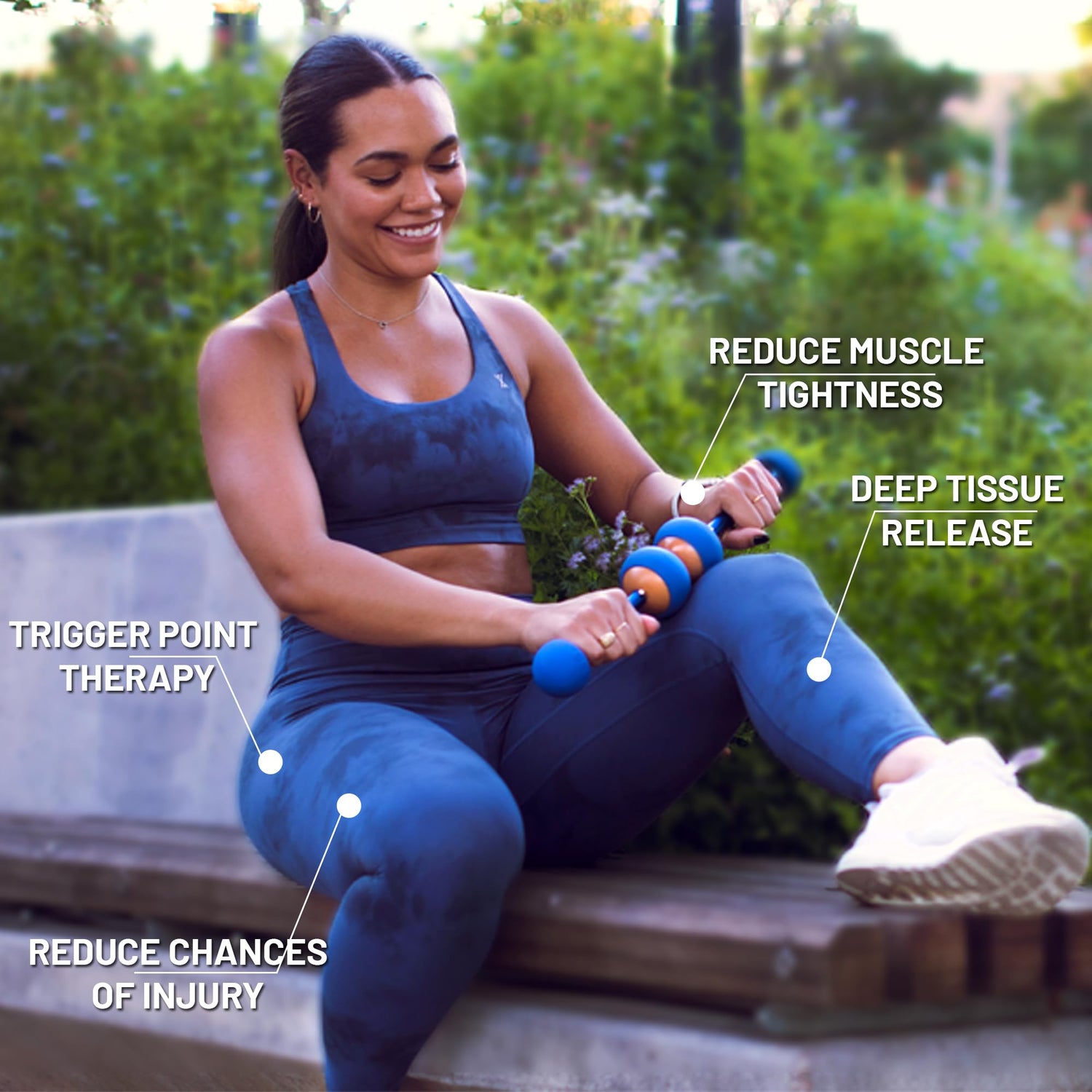
Think of SMR as a form of self-care for your muscles and connective tissue. Using a targeted tool like the MOBO Myofascial Release Tool, you can apply controlled pressure to areas of restriction, helping tight tissues relax, improving mobility, and supporting better movement throughout your day.
It's not about pushing through pain or chasing the most intense sensation possible. It's about slowing down, breathing, and helping your body move the way it was designed to.
What Is Self-Myofascial Release?

You might notice it as:
- Tight hips after a day at your desk
- Stiff calves after a run
- Achy shoulders from staring at a screen
- Lower back discomfort after long periods of sitting
- A general feeling that your body isn't moving as freely as it should
The word "myofascial" refers to your muscles and the fascia that surrounds them.
Fascia is a thin but incredibly important network of connective tissue that supports and connects structures throughout the body. When we spend hours sitting, repeat the same movement patterns, train hard, or simply accumulate stress from daily life, these tissues can begin to feel restricted.
Self-myofascial release helps address these restrictions by applying sustained pressure to areas of tension, encouraging muscles to relax and restoring more natural movement.
Many people are familiar with foam rollers, but broad pressure isn't always the most effective solution. Often, the body responds better when you can target the exact area that needs attention.
That's one of the reasons MOBO has become such a valuable recovery tool

Why MOBO Is Different
Traditional foam rollers apply pressure across large sections of the body. While that can be helpful, it often means spending a lot of time rolling around searching for the source of tightness.
MOBO takes a more precise approach.
Its unique design allows you to apply focused pressure to specific areas of restriction, helping you spend less time guessing and more time addressing the tissues that may be limiting your movement.
Instead of simply rolling back and forth, MOBO encourages a more intentional process:
- Find an area of restriction
- Apply comfortable pressure
- Breathe deeply
- Allow the tissue to relax
- Follow it with movement
This combination of release and movement is what makes the process so effective.
The goal isn't simply to feel less tight. The goal is to move better afterward.

The Secret Most People Miss: Your Breath
Many people assume the tool is the most important part of the process.
In reality, your breathing may be even more important.
When you find a tender area, your first instinct is often to tense up and hold your breath. Unfortunately, that sends the exact opposite message your body needs.
Holding your breath tells your nervous system that you're under threat. The muscles respond by tightening further.
Slow, controlled breathing does the opposite.
Each long exhale signals safety, allowing the nervous system to relax and giving the tissue permission to soften.
The next time you find a tight spot with MOBO, try this:
- Take a slow inhale through your nose.
- Then exhale longer than you inhaled.
- As you breathe out, consciously relax the area around the pressure point.
- You may be surprised how quickly the sensation begins to change.
Sometimes the greatest release doesn't come from more pressure. It comes from less resistance.
Common Mistakes Beginners Make
One of the best things about self-myofascial release is that it's simple.
But simple doesn't always mean easy.
Here are a few common mistakes that can make the experience less effective.
1. Using Too Much Pressure
More pressure does not equal better results.When you force your body into a painful position, muscles often respond by guarding and tightening further.
Instead, aim for a level of pressure that feels challenging but manageable.
Think "productive discomfort," not agony.
2. Targeting Bone Instead of Muscle
MOBO is designed to work with soft tissue. If you feel a hard, sharp, or grinding sensation, reposition slightly and explore the surrounding muscle instead.
The goal is to work with the tissue, not force pressure onto bony structures.
3. Holding Your Breath
Almost everyone does this at first. You find a sensitive area and instinctively brace.
Instead, slow down.
Take two or three deliberate breaths and notice whether the tissue begins to soften.
4. Forgetting to Move Afterwards
This is one of the most overlooked parts of recovery. Release creates an opportunity for movement.
Movement teaches your body how to use that newly available range of motion. Whenever possible, follow your release work with gentle mobility exercises.
A Simple Full-Body MOBO Flow
This sequence targets some of the most common areas of tension created by modern life.
Spend 30–90 seconds on each area while focusing on slow, relaxed breathing.
Upper Back and Shoulders

Hours spent at a desk can leave the upper back feeling stiff and the shoulders creeping toward the ears.
Position MOBO around the muscles surrounding the shoulder blade and slowly explore for areas of tension.
When you find one, pause and breathe.
After releasing the area, perform several shoulder circles or gentle thoracic rotations. This helps your body integrate the mobility you've just created.
Hips and Glutes

If you sit for work, travel frequently, or spend time driving, your hips probably deserve some attention.
Use MOBO to explore the glutes and surrounding hip muscles, searching for areas that feel particularly restricted.
Pause on those areas and combine the release with slow breathing.
Once finished, transition into a simple hip mobility flow:
- Hip circles
- 90/90 transitions
- World's Greatest Stretch
- Controlled lungesThis combination of release and movement can leave the hips feeling noticeably freer.
Quads and Hamstrings

Whether you're a runner, cyclist, gym-goer, or weekend warrior, the front and back of the thighs absorb a tremendous amount of workload.
Use MOBO to target areas of tension within the quads and hamstrings.
Rather than rushing through the process, allow yourself to pause when you discover a particularly restricted area.
Afterward, gently bend and straighten the knee several times to reinforce the release.
Calves

The calves work hard every single day.
They help absorb force during walking, running, jumping, and nearly every lower-body movement. Use MOBO to apply focused pressure to areas of tension throughout the calf.
When you find a tender spot, pause and breathe. For even greater benefit, add ankle circles while maintaining gentle pressure.
Improved calf mobility often influences movement throughout the entire lower body.
Feet

Many people overlook their feet entirely.
Yet every step you take starts there.
Using MOBO on the feet can help address accumulated tension while supporting overall mobility and movement quality.
Spend a few minutes exploring the bottom of the foot and notice how the entire lower body feels afterward.
Making It Part of Your Routine
The biggest mistake people make isn't doing too little. It's trying to do too much. Recovery doesn't need to become another task on your to-do list.
Think of self-myofascial release as a movement snack rather than a workout.
A few ideas:
Morning
Use MOBO for a quick release session before exercise or to loosen up after sleeping.
Midday
Take five minutes between meetings to address your upper back, shoulders, or hips.
Evening
Use it while watching television or winding down before bed.
The key is consistency. Five minutes most days will do far more for your mobility than a single 30-minute session once a week.
Keep your MOBO visible.
When it's within reach, you're much more likely to use it.

Small Efforts Add Up
Mobility isn't something you achieve once and then forget about. It's an ongoing relationship with your body.
Some days you'll feel great. Other days you'll notice areas that need attention.
That's normal.
The goal isn't perfection.
The goal is creating small opportunities for better movement throughout your day.
So here's a challenge:
Later today, spend five minutes with MOBO and focus on one area that's been asking for attention. Maybe it's your shoulders after a day at the computer. Maybe it's your hips after sitting too long. Maybe it's your calves after yesterday's workout.
Find the tension.
Breathe.
Move.